Who are you working with?
Performance isn't built by chasing every new training trend or trying to make everything perfect. Most of the time, it comes down to doing the important things well and consistently, then figuring out where the smaller details can make a difference.
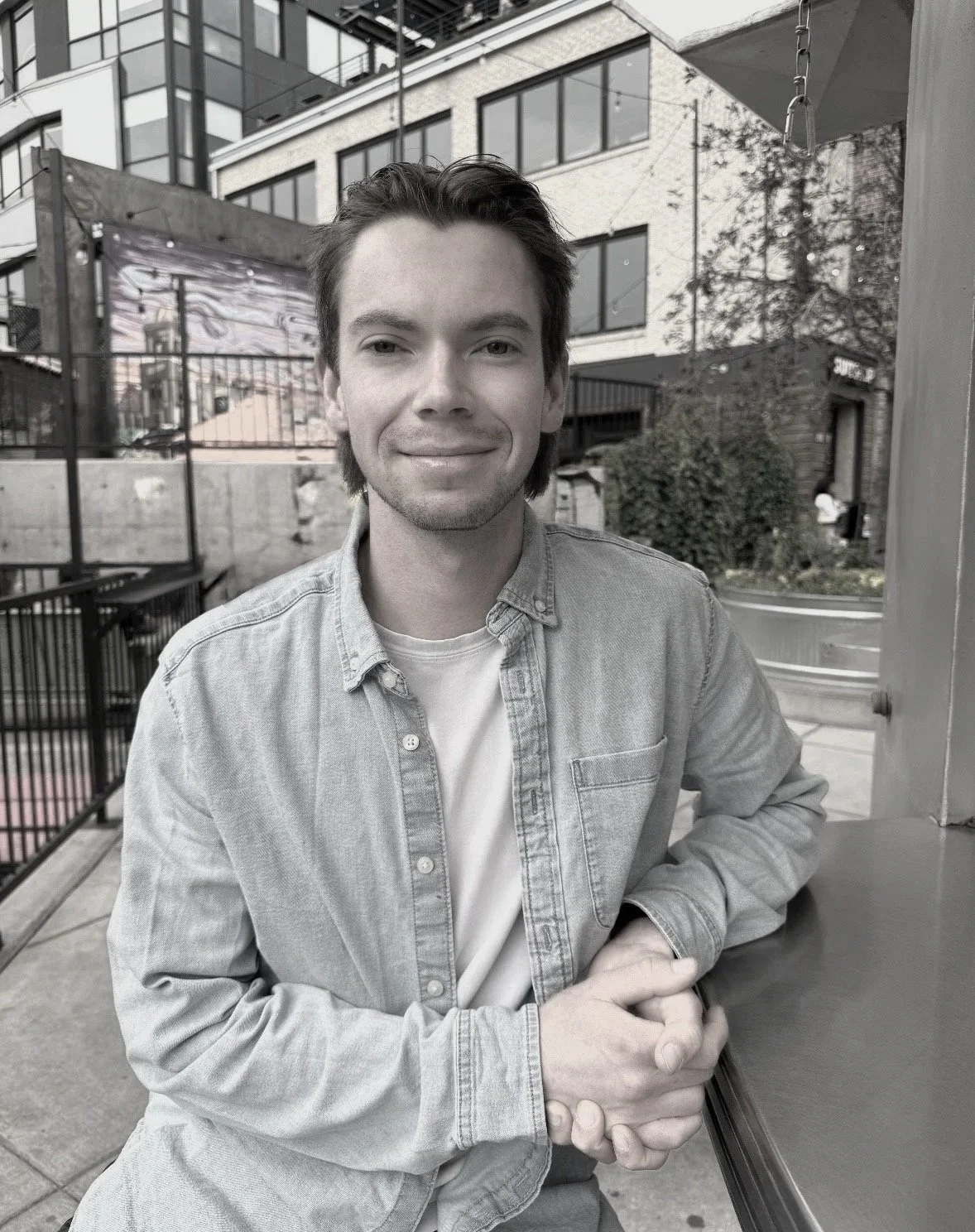
My approach combines exercise physiology, strength training, movement, and nutrition. I look at how you move, where you're strong, where you're limited, and what your sport or lifestyle actually asks of your body. That could mean finding a mobility restriction, a strength deficit, a movement issue, or simply an area that isn't prepared for the amount of work you're asking it to handle. Then we train from there.
I hold a Bachelor's degree in Human Nutrition and Dietetics and a Master's degree in Applied Physiology and Kinesiology. I'm also a NASM Certified Personal Trainer, NASM Corrective Exercise Specialist, ISSN-certified Sports Nutritionist, and ISSA-certified Running Coach.
I've spent years applying the same principles to my own training as an ultramarathoner, road marathoner, powerlifter, and cyclist. It's a big part of why I work primarily with endurance and mountain athletes. Running, riding, hiking, skiing, and spending long days in the mountains ask a lot from the body, and doing more of your sport isn't always the answer. Sometimes you need to get stronger, move better, recover better, or fix the weak spots that keep showing up.
That's the work I'm interested in.
Endurance and mountain athletes are my primary focus, but you don't have to be an ultrarunner or mountain athlete to benefit from this approach. If you want to get stronger, move better, stay healthy, and keep doing the things you enjoy, you're in the right place.
Online coaching is available, with in-person coaching and assessments available throughout the greater Denver area.
My Coaching Philosophy
Master the fundamentals before chasing the 1%.
Use physiology and evidence to guide decisions.
Find the weak spots, then train them.
Build strength, movement, and durability for what you ask your body to do.
Refine the details when they’ll actually make a difference.
Train for performance now without losing sight of the long term.